
"coffee shipping methods"
3000 article(s) found

Basic knowledge of high-quality coffee beans
Coffee beans grow in tropical or subtropical agricultural gardens around the equator, called coffee belts, and travel to Japan with ships. When the brown coffee beans appear in front of your eyes, they have actually gone through a variety of different circulation processes and the hands of many people. Coffee is widely distributed in South America, Central America, the West Indies, Asia, Africa, Arabia, the South Pacific and

Indian Coffee Brand | Calendar of Indian monsoon coffee [wind-stained Malaba Monsoon Malabar]
Professional coffee knowledge exchange more coffee bean information please follow the coffee workshop (Wechat official account cafe_style) Indian coffee brand | Indian monsoon coffee [wind-stained Malaba Monsoon Malabar] history? How to cook it properly? The so-called monsoon Malaba, as its name implies, is actually blown out by the wind. It is said that there would have been this strange thing that is now popular in Europe at the beginning.
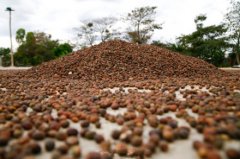
Understand that coffee beans grow around the equator
Coffee beans grow in tropical or subtropical agricultural gardens centered around the equator called coffee belts and travel to Japan with ships. When the brown coffee beans appear in front of your eyes, they have actually gone through a variety of different circulation processes and the hands of many people. Coffee is widely distributed in South America, Central America, the West Indies, Asia, Africa, Arabia,

Fragrant Hassanda Coffee Garden in Ecuador Origin and Development of Fine Coffee History and Culture
In the mid-15th century, there were legends about enchanted mysterious islands among fishermen fishing in the western Pacific Ocean of South America. It is said that the islands can sometimes be seen clearly from a distance, but when the ship approaches, it disappears again; sometimes it looks like a galleon, sometimes it shows the shape of a witch. The fishermen called these islands Magic Island and thought it was there.

How does African coffee get to all parts of the world?
How coffee from Africa was shipped to all parts of the world at the beginning of the 20th century, Brazil accounted for more than 75% of the world's total coffee production, thus winning the reputation of the coffee kingdom. Coffee is one of the important pillars of Brazil's national economy. There are 500000 coffee plantations, large and small, covering an area of about 2.2 million hectares, with a working population of more than 6 million and an annual output of about 2 million tons of coffee.

Introduction to the fragrant and fragrant coffee of Santa Cruz Manor in Ecuador
Flavor: balanced acidity, aromatic fragrance recommended roasting methods: medium to deep roasting, can be made into high-quality mixed coffee, suitable for multi-use evaluation: general Ecuadorian giant turtle island coffee beans from the hometown of giant turtles coffee treasures the best Ecuadorian coffee is grown on St. Cristobal Island in the Galapagos Islands, where it has the best quality coffee in the world.

Introduction to the Distribution of Costa Rican Coffee Flavor production area _ what is passion honey treated coffee?
Professional coffee knowledge exchange more coffee bean information please follow the coffee workshop (Wechat official account cafe_style) Costa Rican coffee industry began to develop very early, in 1820 coffee was shipped to Colombia and Chile, and in 1845, with the assistance of the captain of the British merchant ship monarch, a hundred pounds of coffee was transported to London, which was called by the British aristocracy from Costa Rica.

A brief introduction to the treatment method of grinding degree and baking degree of Indonesian West Java boutique coffee beans with taste lubrication
At that time, Java coffee sold to Europe was a very special kind of coffee. At that time, it was shipped to Europe and the United States by sailboat, and the distance was long and the speed was slow, so it took a lot of time to transport. In this case, the coffee seems to have undergone a special fermentation and has a very unique taste. Later, when the ship replaced the sailboat, people drank because the transportation time was shortened.

What is a coffee bean exporter? Three types of export trade of raw coffee beans and their advantages
Exporters are people who buy and sell goods overseas. Exporters can find the best deal for raw materials that can be used to get customers to buy their products. Most exporters buy directly from the factories that produce the coffee they sell. By buying directly from the factory, the exporter can acquire the production capacity of the factory and can buy coffee at the wholesale price, which is usually higher than his.
Coffee encyclopedia how much do you know about coffee beans
Coffee beans grow in tropical or subtropical agricultural gardens around the equator, called coffee belts, and travel to Japan with ships. When the brown coffee beans appear in front of your eyes, they have actually gone through a variety of different circulation processes and the hands of many people. Coffee is widely distributed in South America, Central America, the West Indies, Asia, Africa, Arabia, the South Pacific and
Introduction of Puerto Rico Puerto Rican Coffee beans
In 1736, coffee trees were introduced from Martinique to Puertp Rico. Most of the early coffee was grown by immigrants from Corsica. By 1896, Puerto Rico was the sixth largest exporter of coffee in the world, with most coffee shipped to France, Italy, Spain and Cuba. Coffee farms flourished in the 19th century, but the rise of sugarcane and drug farming

Description of Panamanian Cupid Coffee Flavor with full granules introduction to the characteristics of the grinding area
Panama coffee is smooth, light and sour, and its excellent thousand-week coffee beans are pure and distinctive. Flavor: full granules, good quality suggested baking method: medium roasting ★★: good Panamanian coffee market: Panama (Panama) the first batch of coffee exported each year is shipped in November, almost all high-quality coffee beans are shipped to France and Finland
Boutique Coffee Science about the growth zone of coffee beans
Coffee beans grow in tropical or subtropical agricultural gardens around the equator, called coffee belts, and travel to Japan with ships. When the brown coffee beans appear in front of your eyes, they have actually gone through a variety of different circulation processes and the hands of many people. Coffee is widely distributed in South America, Central America, the West Indies, Asia, Africa, Arabia, the South Pacific and
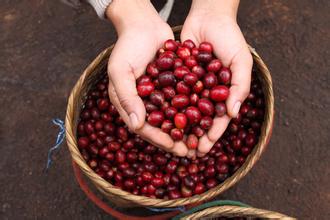
Distinguish coffee beans and the grading of coffee beans how to distinguish the quality of coffee beans coffee knowledge
● distinguishes the key names and specifications of coffee beans the name of the port of export of ● can tell the shipping route from the name of the port of exit marked. Coffee from the same origin or the same brand has a certain route, so it is also exported from the same port. For example, if it is marked "Brazil." "Santos" means that this is coffee exported from Santos, with the exception of those marked "mocha".

China Coffee Network recommends coffee producing area Puerto Rico Greater Larez Yaoke Coffee Larez Coffee
In 1736, coffee trees were introduced from Martinique to PuertpRico. Most of the early coffee was grown by immigrants from Corsica. By 1896, Puerto Rico was the sixth largest exporter of coffee in the world, with most coffee shipped to France, Italy, Spain and Cuba. Coffee farms flourished in the 19th century, but the rise of sugarcane and drug farming
The coffee of Yocott, Puerto Rico is the best in the world.
Yaocote's coffee of choice was the best in the world in 1736, when the coffee tree was introduced from Martinique to Puertp Rico. Most of the early coffee was grown by immigrants from Corsica. By 1896, Puerto Rico was the sixth largest exporter of coffee in the world, with most coffee shipped to France, Italy, Spain and Cuba. Coffee farms flourished in the 19th century, but Gan

Introduction to the flavor and taste of coffee beans from Giant Turtle Island, Ecuador
Flavor: balanced acidity, aromatic fragrance recommended roasting methods: medium to deep roasting, can be made into high-quality mixed coffee, suitable for multi-use evaluation: general Ecuadorian giant turtle island coffee beans from the hometown of giant turtles coffee treasures the best Ecuadorian coffee is grown on St. Cristobal Island in the Galapagos Islands, where it has the best quality coffee in the world.

Introduction to the producing area of Larez Yaoke Coffee Bean Flavor Manor in Puerto Rico
Yaocote chose coffee beans to be preserved in shells before they were shipped, and the skins were not removed until the order was shipped to ensure the best freshness of the coffee. Relevant U.S. government staff, such as FDA and USEA, will also be present when the goods are submitted, and they work to monitor producers' compliance with federal regulations. There are also some staff from the local evaluation committee, they

The development history of mocha coffee beans
Mocha gets its name from the famous port of Mocha. Transportation in East Africa was very underdeveloped in the 15th century, but it produced the world's most precious coffee beans, which were gathered in the Yemeni port of Mocha and shipped to Europe. Today, photos of mocha coffee production methods in the port of Mocha (11 photos) have retreated inland due to the accumulation of silt.

The development history of mocha coffee
Moka, the editor of development history, gets its name from the famous port of Mocha. Transportation in East Africa was very underdeveloped in the 15th century, but it produced the world's most precious coffee beans, which were gathered in the Yemeni port of Mocha and shipped to Europe. Today, photos of mocha coffee production methods in the port of Mocha (11 photos) have been retreated due to the accumulation of silt.